Connect this guide with the rest of your visit in the Varanasi trip planner. Read how the research is made and what its sources establish.
At a glance
Start here
- Choose Bharat Kala Bhavan for a broad art, archaeology and textile collection.
- Pair Sarnath's site museum with the archaeological landscape it interprets.
- Use the Crafts Museum to understand tools, materials and regional making processes.
- Verify current access with the responsible institution before crossing the city.
01
Choose a museum by the question it answers
A useful museum day begins with a subject. For art history and collecting across multiple media, start with Bharat Kala Bhavan. For Buddhist archaeology, choose Sarnath. For weaving and regional crafts, choose the museum at Deendayal Hastkala Sankul. For vehicles, arms and courtly objects, consider the collection associated with Ramnagar Fort.
This question-led approach prevents four unlike places from being treated as substitutes. It also helps with limited time: one closely read collection will usually provide more context than several rushed entries. Check current access first, then group the visit with nearby places rather than building a cross-city museum checklist.
- Art and multi-period collections: Bharat Kala Bhavan.
- Buddhist archaeology: Sarnath site museum.
- Craft process and products: Crafts Museum.
- Courtly material culture: Ramnagar collection.
02
Read Bharat Kala Bhavan across media
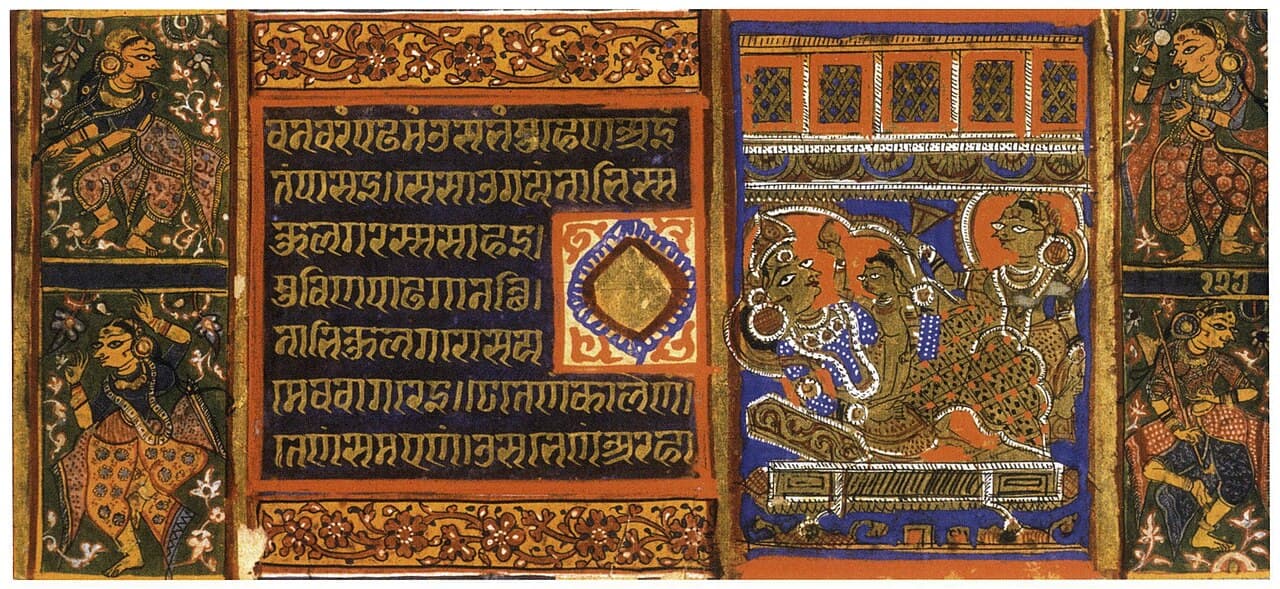
Banaras Hindu University's annual report describes Bharat Kala Bhavan as a museum with holdings and galleries spanning archaeology, sculpture, miniature painting, textiles, decorative arts, coins and manuscripts. That range makes it useful for seeing how the region's visual history extends beyond monuments and how materials carry different kinds of evidence.
Do not try to give every gallery equal time. Select two threads before arrival, such as textiles and miniature painting, or sculpture and manuscripts. Within each, read labels for material, period, place and acquisition context. A cross-media comparison can reveal how a motif or patronage system moves between portable objects and architectural settings.
- Choose two collection themes before entering.
- Read material and provenance information, not only object names.
- Ask whether temporary gallery closures affect the chosen themes.
03
Connect Sarnath's museum to its site
The Archaeological Survey of India identifies the Sarnath museum as a site museum. The Ministry of Culture's national museum directory records its early twentieth-century establishment and significant archaeological holdings, including the Lion Capital, Buddhist sculpture, inscriptions and pottery. The collection is therefore best read in relation to the excavated landscape, not as an isolated cabinet.
Use the museum to answer what excavation recovered, what materials survived and how scholars identify periods or functions. Then compare that evidence with the nearby site. Published directories may preserve older visitor details, so use ASI's current channel or local office information to confirm opening, ticketing and object-display conditions before travel.
- Read the museum and archaeological site as one inquiry.
- Notice inscriptions, fragments and pottery alongside famous sculpture.
- Verify current operations with ASI, not an old directory entry.
04
Use the Crafts Museum as a process map
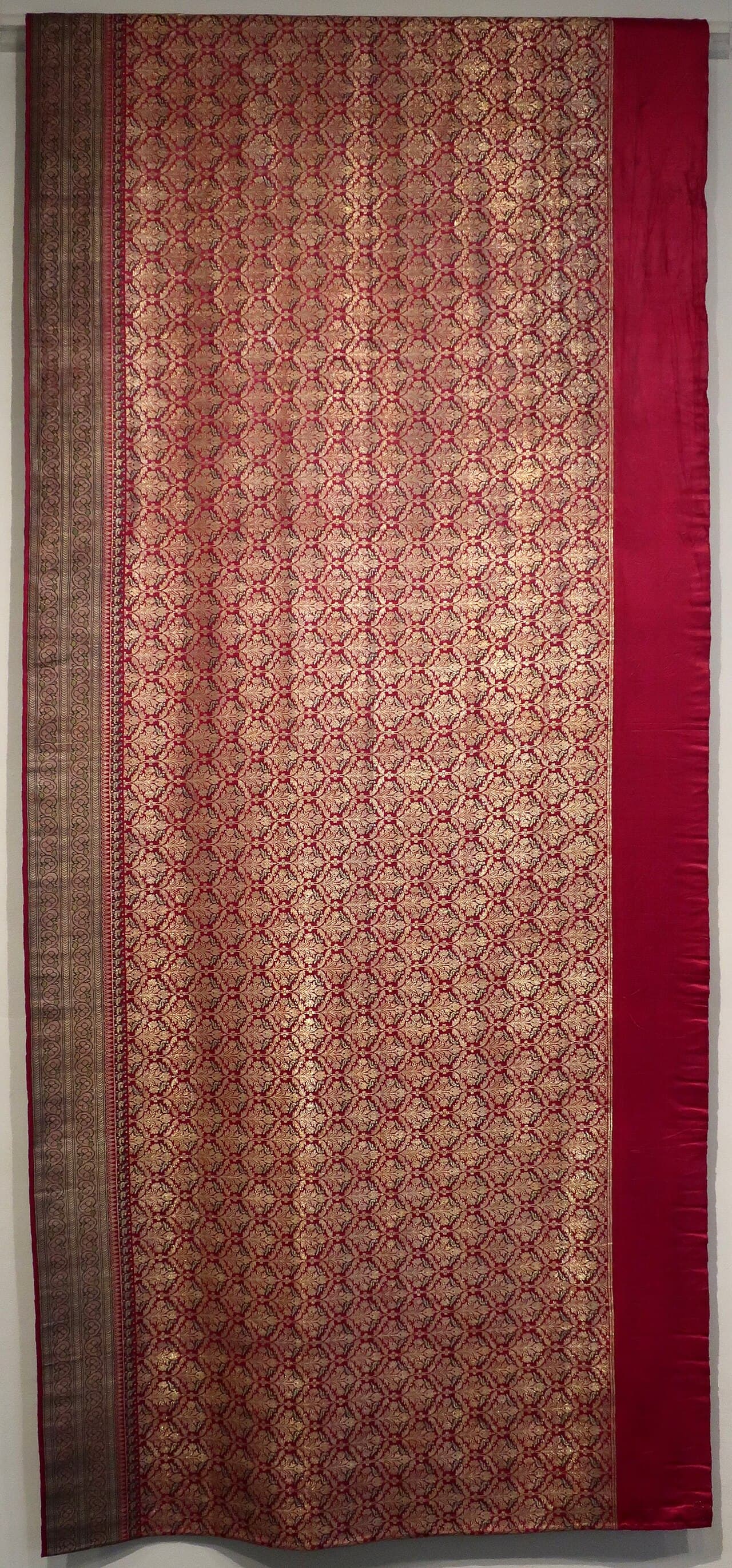
The district's official page for Deendayal Hastkala Sankul describes a Crafts Museum with galleries devoted to handloom, carpets, handicrafts and geographical-indication products. It highlights tools, raw materials and production processes, which makes the museum a useful first stop before shopping for textiles or crafts.
Follow one object backward. Identify the finished form, then find the material, tool and sequence of work behind it. Compare a handloom display with bead, wood, metal or stone practices rather than treating craft as one category. This method creates better questions for later conversations with sellers or makers and reduces dependence on decorative labels alone.
- Trace one finished object back to its tools.
- Compare processes across at least two materials.
- Record official GI names for later registry checks.
05
Treat Ramnagar as a distinct collection
The district administration describes the Ramnagar Fort collection as including vintage vehicles, palanquins, arms, ivory work and clocks. That profile differs sharply from a university art museum or an archaeological site museum. Choose it when courtly objects, transport, display and collecting history fit the day's main question.
Ramnagar also requires separate access planning because it lies across the river from much of the central riverfront. The district page provides collection context but should not be read as a guarantee of current hours, gallery access or conservation conditions. Confirm operations locally before committing the travel time, especially if the collection is the only purpose.
- Choose Ramnagar for courtly and transport-related objects.
- Plan the cross-river journey as a separate outing.
- Verify that the collection is accessible before departure.
06
Compare evidence instead of collecting stops
A strong two-museum comparison uses a shared question. Textiles can connect Bharat Kala Bhavan with the Crafts Museum; sculpture can connect Bharat Kala Bhavan with Sarnath; patronage and display can connect Bharat Kala Bhavan with Ramnagar. The institutions remain different, but the common question turns contrast into useful interpretation.
Write down three observations after each visit: what material dominated, what historical frame the labels used, and what production or collecting story remained unclear. This lightweight record keeps objects from collapsing into a single memory of old things. It also shows whether another museum would add a new answer or simply repeat the day's theme.
- Use one shared question across two collections.
- Compare label language and material evidence.
- Leave room to follow an unexpected collection strength.
07
Verify access institution by institution
There is no single reliable timetable for all four collections. BHU, ASI, the district-listed Crafts Museum and Ramnagar have different responsible bodies, and directory entries can age. Check the relevant official channel close to the visit for opening days, ticket arrangements, temporary gallery closures, bag storage, photography and any campus or site entry procedure.
If an official page does not provide current operational details, contact the institution or accommodation rather than filling the gap with an old travel post. Keep an alternative nearby activity that does not require entry. This is particularly useful when the main value lies in a specific gallery or object that may not always be displayed.
- Check the responsible institution, not a universal listing.
- Ask about the gallery or collection that matters most.
- Keep a nearby non-ticketed alternative.
Useful answers
Reader questions
Which Varanasi museum is best for art and textiles?
Bharat Kala Bhavan is the broadest fit among these choices. BHU describes collections and galleries covering miniature painting, sculpture, archaeology, textiles, decorative arts, coins and manuscripts. Verify current gallery access with the university before planning around one specific collection.
Sources: Banaras Hindu UniversityIs the Sarnath museum separate from the archaeological site?
It is an ASI site museum and is best understood alongside the archaeological landscape. The official museum information and Ministry of Culture directory describe archaeological holdings including sculpture, inscriptions and pottery. Check current entry arrangements with ASI before visiting.
Sources: Archaeological Survey of India; Ministry of Culture, Government of IndiaWhere can visitors learn how Varanasi crafts are made?
The district's page for Deendayal Hastkala Sankul describes a Crafts Museum presenting tools, raw materials, processes, handloom, handicrafts and GI products. Use it to learn process vocabulary before shopping, while checking current visitor access separately.
Sources: District Varanasi, Government of Uttar PradeshShould all four museums be attempted in one day?
That would usually weaken the visit because the collections answer different questions and are spread across the city. Choose one primary collection or a focused pair, group nearby stops, and verify each institution's current access before setting a route.
Sources: Banaras Hindu University; Archaeological Survey of India; District Varanasi, Government of Uttar PradeshRead the evidence
Sources and further reading
These sources support the relevant sections above. Plans and comparisons are editorial suggestions. Check operators for current arrangements.
- Annual Report 2023-24 ↗Banaras Hindu University · Research date 14 September 2026
Bharat Kala Bhavan's institutional role and range of collections and galleries.
- Archaeological Museum Sarnath ↗Archaeological Survey of India · Research date 14 September 2026
The museum's official identity as ASI's site museum at Sarnath.
- Directory of Museums in India ↗Ministry of Culture, Government of India · Research date 14 September 2026
Sarnath museum history and collection categories; operational details are treated as potentially dated.
- Deendayal Hastkala Sankul (Trade Facilitation Center & CraftsMuseum) ↗District Varanasi, Government of Uttar Pradesh · Research date 14 September 2026
Crafts Museum galleries, displayed materials, tools, techniques and GI-product context.
- Excursions ↗District Varanasi, Government of Uttar Pradesh · Research date 14 September 2026
The official description of the fort collection and its vehicle, palanquin, arms, ivory and clock holdings.